
![520 [Premium Heavy Duty Table Pad] _1](https://www.domicomed.com/hs-fs/hubfs/520%20%5BPremium%20Heavy%20Duty%20Table%20Pad%5D%20_1.png?width=400&height=267&name=520%20%5BPremium%20Heavy%20Duty%20Table%20Pad%5D%20_1.png)



1 min read
3 min read
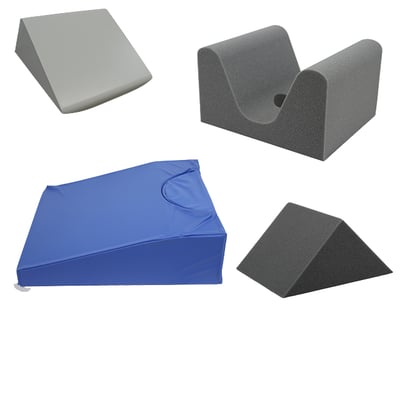
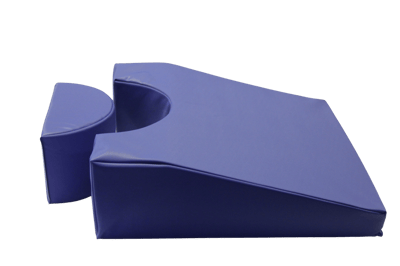
Medical soft goods—including wearable medical devices, patient positioning aids, compression garments, surgical supports, orthopedic braces, straps, and wound-care textiles—play a critical role in modern healthcare. These products directly impact patient comfort, safety, and clinical outcomes, while also requiring strict regulatory compliance and consistent manufacturing quality.
What OEMs Should Look for in a Medical Soft Goods Manufacturing Partner
For Original Equipment Manufacturers (OEMs), selecting the right medical soft goods contract manufacturer is essential. The best partners offer far more than basic sewing or textile fabrication, they bring engineering expertise, regulated quality systems, and scalable production capabilities purpose-built for medical applications. Below are the key attributes that distinguish top-tier medical soft goods manufacturers.
1. Expertise in Medical-Grade Materials and Textiles
Medical soft goods rely on specialized materials engineered for durability, comfort, and patient safety. Leading manufacturers possess deep knowledge of medical-grade materials, including:
-
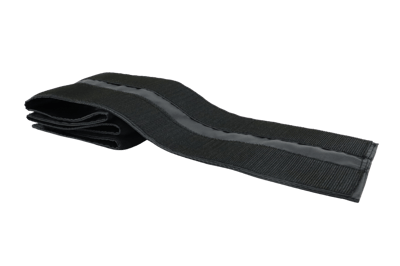
Technical and performance textiles![30577 [AD7 Bariatric Table Extender Straps] #1-1](https://www.domicomed.com/hs-fs/hubfs/30577%20%5BAD7%20Bariatric%20Table%20Extender%20Straps%5D%20%231-1.png?width=400&height=267&name=30577%20%5BAD7%20Bariatric%20Table%20Extender%20Straps%5D%20%231-1.png)
- Foams and cushioning materials
- Neoprene and elastomeric fabrics
- Hook-and-loop fastening systems
- Biocompatible adhesives and films
- Multi-layer and composite constructions
Understanding how these materials behave under repeated wear, mechanical stress, moisture exposure, cleaning, and sterilization is critical to long-term product performance.
2. Strong Engineering and Product Development Capabilities
Top medical soft goods manufacturers support OEMs early in development through robust engineering services.
Key capabilities include:
-
Design for manufacturability (DFM)
-
CAD modeling and digital pattern development
-
Prototyping and iterative design support
-
Ergonomic and human-factors-driven design
-
Performance and durability validation
By integrating engineering and manufacturing expertise, manufacturers help reduce development timelines and improve first-pass success.
3. High-Precision, Repeatable Manufacturing Processes
Medical soft goods manufacturing requires precision, consistency, and process control, especially for patient-contact products.
Advanced manufacturers offer a range of controlled processes, such as:
-
Industrial and programmable sewing
-
Ultrasonic welding and RF welding
-
Die cutting and kiss cutting
-
Heat sealing and lamination
-
Foam fabrication and contouring
-
Semi-automated and hybrid assembly
These capabilities ensure repeatability, tight tolerances, and reliable product performance at scale.
4. Robust Quality Management System (QMS)
A mature quality management system (QMS) is essential for medical soft goods manufacturing. Leading partners operate under ISO 13485–certified systems designed for regulated medical devices.
Key QMS elements include:
-
Material and lot traceability
-
Incoming, in-process, and final inspections
-
Corrective and preventive action (CAPA) processes
-
Supplier qualification and oversight
-
Risk management and design controls
This quality infrastructure protects patient safety and reduces regulatory and supply chain risk.
5. Regulatory Knowledge and Compliance Expertise
Medical soft goods often fall under regulated medical device classifications.
Experienced manufacturers understand how to navigate evolving regulatory requirements, including:
-
FDA Quality System Regulation (QSR/QMSR)
-
EU Medical Device Regulation (MDR)
-
ISO 10993 biocompatibility standards
-
Labeling, UDI, and packaging requirements
-
Verification and validation testing
This regulatory fluency helps OEMs avoid costly compliance gaps and delays.
6. Supply Chain Stability and Scalable Production
Successful medical products must scale reliably from prototype to high-volume production. Top-tier manufacturers support this transition through:
- Qualified and redundant material suppliers
- Forecasting and inventory planning
- Change management and capacity planning
- Smooth production ramp-ups
Supply chain resilience is critical to ensuring continuity and long-term program success.
7. Clear Communication and Program Management
Strong communication is a defining attribute of high-performing manufacturing partnerships.
Effective manufacturers provide:
- Transparent project timelines and milestones
- Dedicated program management
- Cross-functional coordination
- Rapid feedback during prototyping and development
This structured approach keeps programs aligned and minimizes delays.
8. Commitment to Patient-Centric Design and Performance
Because medical soft goods directly interact with patients, the best manufacturers prioritize patient experience in every design decision.
This includes:
- Comfort and breathability
- Ergonomic fit and adjustability
- Hypoallergenic and skin-safe materials
- Ease of use for patients and clinicians
Patient-centric design improves adoption, compliance, and clinical outcomes.
9. Confidentiality, Data Security, and IP Protection
Medical OEMs rely on their manufacturing partners to protect proprietary designs and sensitive data.
Leading manufacturers maintain:
- Strict confidentiality agreements
- Secure data handling and access controls
- Clear ownership of tooling and intellectual property
These protections safeguard innovation and long-term business value.
Conclusion: Choosing the Right Medical Soft Goods Manufacturing Partner
Selecting a medical soft goods contract manufacturer is a strategic decision that directly impacts product quality, regulatory compliance, and time to market.
The strongest partners combine:
-
Engineering depth and materials expertise
-
Regulated quality systems Precision manufacturing processes
-
Regulatory knowledge and scalability
-
A commitment to patient-centric design
By choosing the right manufacturing partner, OEMs can reduce risk, accelerate development, and deliver high-performing medical soft goods that meet both regulatory requirements and patient needs.
1 min read
The Importance of ISO 13485 Certification for Medical Device Contract Manufacturers
In the rapidly evolving medical device industry, quality, trust, and regulatory compliance are non-negotiable. Whether supporting a Class I...

1 min read
Navigating Tariffs & Turbulence: Smart Supply Chain Strategies for Medical Device Manufacturers
Weather. War. Pandemic… Tariffs. Just when the dust began to settle post-pandemic, global trade winds shifted once again—this time with tariffs...