
The Crucial Role of Product Assembly in Manufacturing Medical Devices
Explore the importance of product assembly in manufacturing medical devices, benefits of outsourcing it, and how Domico Med-Device excels in this...
2 min read
Medical patient positioning products, used in operating rooms, imaging suites, hospitals, and long-term care environments, are critical to patient safety, clinical accuracy, and procedural efficiency. These products must perform reliably under demanding conditions while meeting strict regulatory and infection-control requirements.
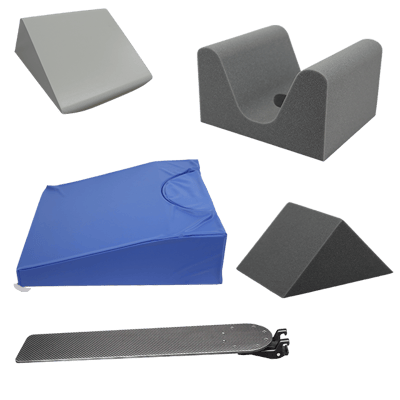
Leading manufacturers bring a deep understanding of human anatomy, biomechanics, and clinical workflows. This knowledge directly informs safer and more effective product designs.
Critical considerations include:
Clinical insight ensures products support both patient safety and procedural accuracy.
Patient positioning products rely on specialized materials engineered for comfort, durability, and compliance.
Differentiated manufacturers excel in working with:
Material expertise ensures long service life, patient comfort, and adherence to regulatory and infection-control standards.
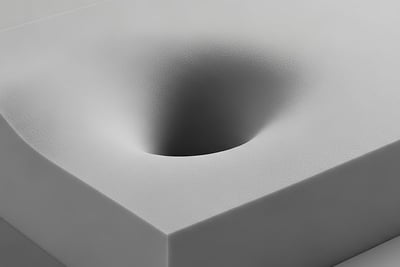
Consistency and reliability are essential for patient positioning products.
Top manufacturers invest in advanced, high-precision processes, including:
These capabilities enable tight tolerances, repeatable performance, and scalable production.
Best-in-class partners provide engineering support that extends well beyond production.
Key development capabilities include:
This integrated approach accelerates development timelines and improves product quality.

Medical patient positioning products are subject to strict regulatory and quality expectations. Leading manufacturers operate under ISO 13485–certified quality management systems and maintain deep regulatory awareness.
Core elements include:
This infrastructure minimizes compliance risk and supports successful market entry.
OEMs often require both customization and scalability.
Differentiated manufacturers support:
Small-batch and custom configurations
Flexible tooling and modular designs
Rapid engineering change management
Seamless scaling to high-volume production
This flexibility enables OEMs to serve diverse clinical needs without sacrificing efficiency.

A resilient supply chain is critical for regulated medical products. Top-tier manufacturers maintain:
These capabilities reduce risk and ensure consistent, on-time delivery.
Patient positioning products must withstand repeated use in demanding clinical environments.
Leading manufacturers prioritize:
Durable, user-friendly designs improve safety, reduce replacement costs, and enhance clinical adoption.
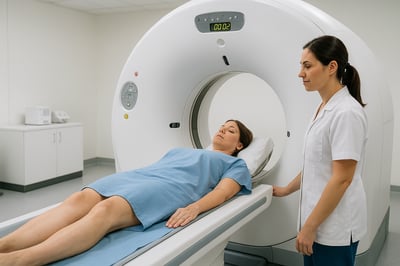
Manufacturers with established medical device experience bring valuable real-world insight to each program.
This includes understanding:
Experience in regulated healthcare environments translates to smoother programs and stronger partnerships.
A truly differentiated contract manufacturer for medical patient positioning products combines clinical insight, engineering depth, materials expertise, and regulated manufacturing excellence.
By partnering with the right manufacturer, OEMs can:
In a demanding healthcare landscape, the right manufacturing partner elevates both product performance and patient outcomes.
Learn about how we make our foam products through our in-house foam fabrication capabilities by clicking below!

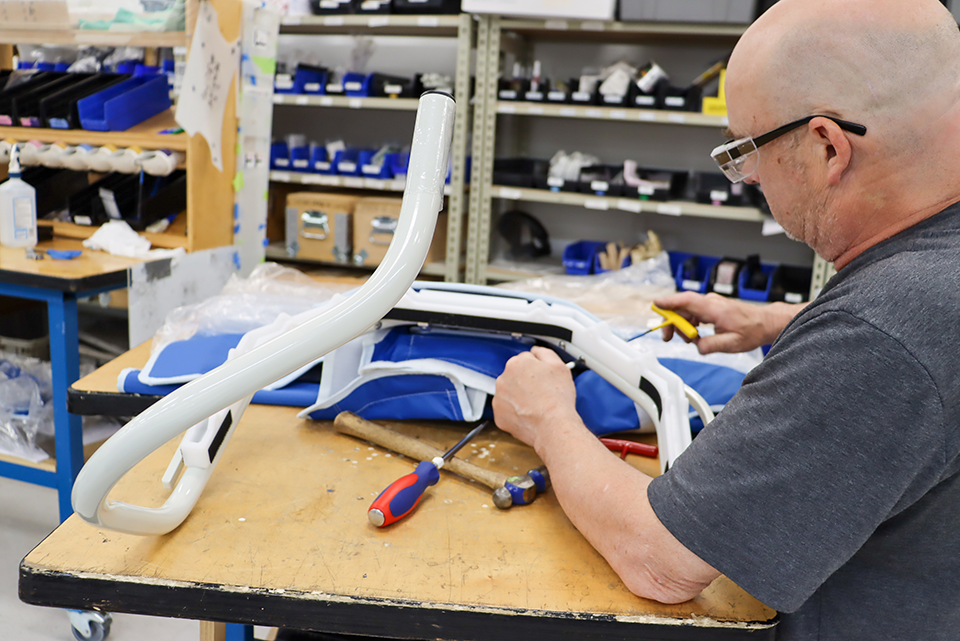
Explore the importance of product assembly in manufacturing medical devices, benefits of outsourcing it, and how Domico Med-Device excels in this...
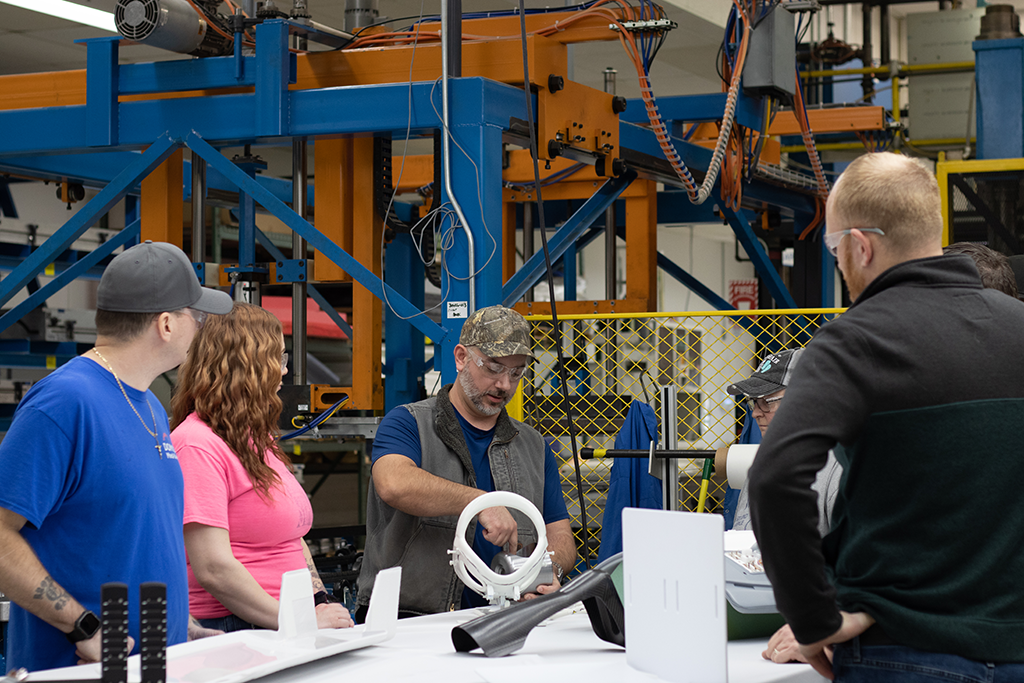
Explore top practices in optimizing efficiency for medical device manufacturing. Learn about lean manufacturing, SOPs, collaboration, employee...
Discover best practices in medical device manufacturing to enhance efficiency, reduce errors, and ensure high-quality products.