
Foam Materials Used in Medical Device Patient Positioning Products
Learn how foam materials enhance patient positioning devices with superior comfort, pressure relief, durability, and support across medical imaging,...
1 min read
As medical devices continue to evolve toward lighter, stronger, and more imaging-compatible designs, carbon fiber composites have become a strategic material choice for leading OEMs. From diagnostic imaging systems to orthopedic and mobility solutions, carbon fiber enables performance advantages that traditional materials simply cannot match.
What ultimately determines success, however, is how those carbon fiber components are manufactured. Selecting the right process impacts not only mechanical performance, but also regulatory readiness, production scalability, cost control, and long-term supplier reliability.
Carbon fiber composites are increasingly specified in medical programs because they deliver exceptional strength at reduced weight, radiolucency for imaging environments, long-term durability under sterilization, and unmatched design flexibility.
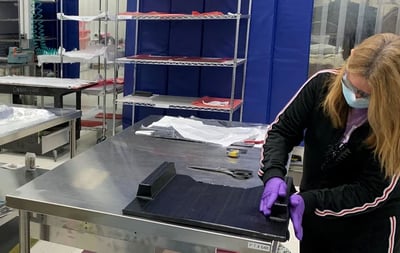 Prepreg Layup (Autoclave Curing)
Prepreg layup remains the gold standard for carbon fiber structures requiring maximum strength, precision, and cosmetic quality. OEM advantages include best-in-class performance, highly repeatable processing, outstanding surface finish, and a long qualification history within regulated markets.
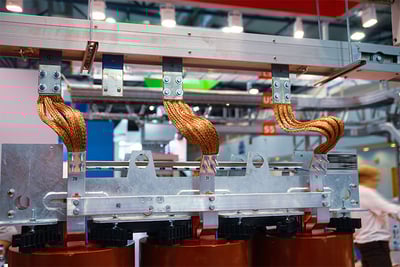
RTM provides excellent dimensional accuracy, smooth surfaces on both sides of the part, scalable production volumes, and improved cost efficiency as programs mature, making it ideal for enclosures, frames, and robotic systems.
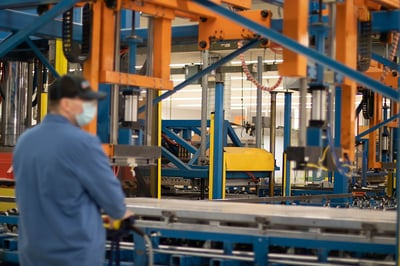
Compression molding supports short cycle times, high production repeatability, and lower per-part costs, making it a strong solution for higher-volume medical components such as housings, handles, and mobility products.
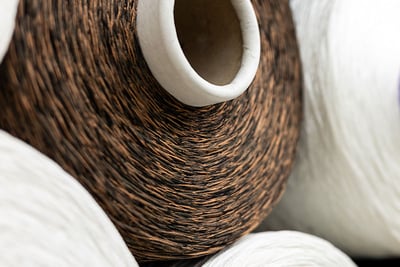 Filament Winding
Filament winding delivers superior strength in defined load paths, excellent automation potential, minimal material waste, and consistent quality—ideal for tubular and structural imaging components.
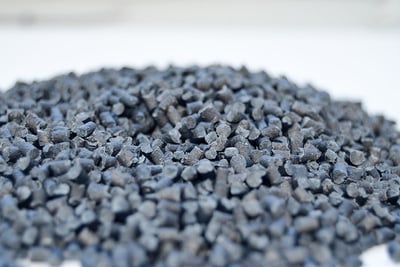
Carbon fiber-reinforced additive manufacturing enables rapid design iteration, patient-specific customization, digital traceability, and cost efficiency for low-volume or personalized medical devices.
For medical device OEMs, selecting an experienced manufacturing partner is critical to ensuring regulatory compliance, scalable production, validated processes, and long-term product success.
By aligning the right carbon fiber manufacturing process with a trusted partner, OEMs can bring lighter, stronger, and more advanced medical devices to market with confidence.
Learn more about our Carbon Fiber capabilities by clicking below!

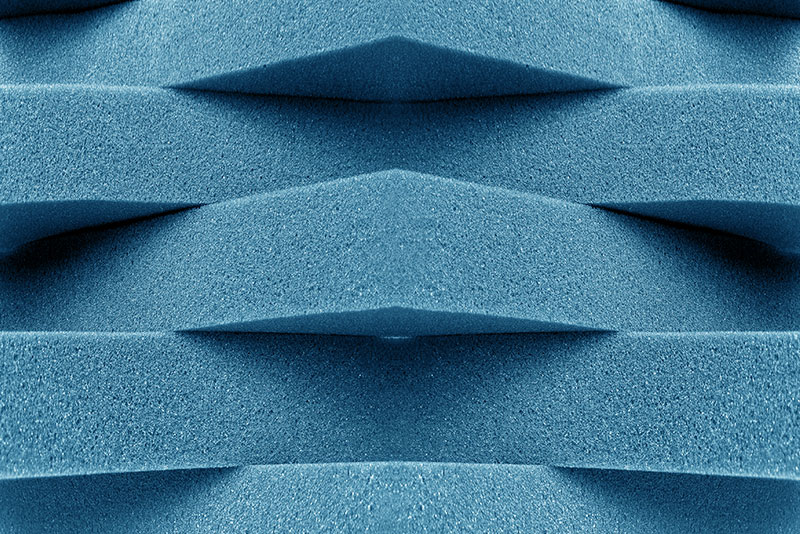
Learn how foam materials enhance patient positioning devices with superior comfort, pressure relief, durability, and support across medical imaging,...

Discover the revolutionary role of carbon fiber in healthcare, from enhancing imaging equipment to improving prosthetics and medical implants.
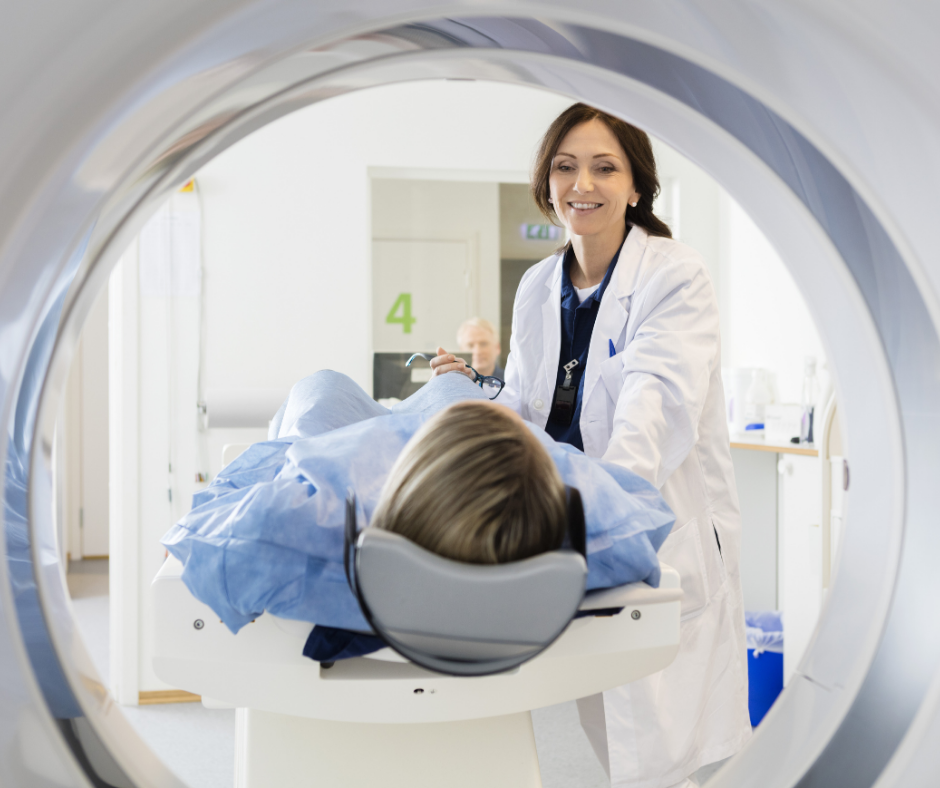
Explore how compression molding supports medical device manufacturing across imaging, image-guided therapy, and surgical applications with durable,...