
How Carbon Fiber is Used in Medical Devices
Discover how carbon fiber revolutionizes medical devices with its strength, lightweight properties, and versatility.
1 min read
Films and fabrics play a critical role in medical device performance, particularly in diagnostic imaging and operating room environments. These materials must meet demanding requirements for cleanliness, durability, flexibility, imaging compatibility, and manufacturability.
Selecting the right film or fabric is only part of the design challenge. The method used to bond or assemble these materials directly impacts product reliability, infection control, and overall lifecycle performance.
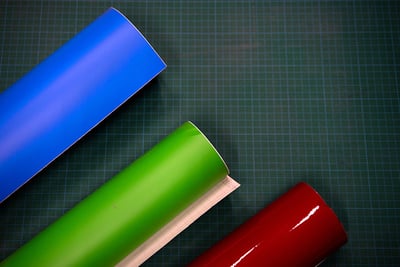 Polyurethane (PU) Films
Benefits include excellent patient comfort, good fluid resistance, and compatibility with imaging environments.
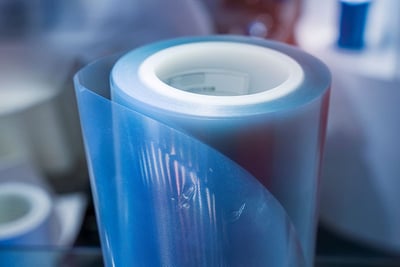
PE films are ideal for single-use imaging covers, surgical barriers, and protective device components.
 Polyvinyl Chloride (PVC) Films
PVC films support strong sealed seams and are commonly used where clarity and fluid containment are required.
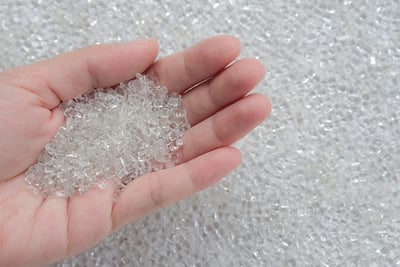
Polyester fabrics are commonly used for patient positioning straps, reinforcement layers, and table accessory covers.

Nylon is frequently selected for surgical positioning slings, restraint systems, and soft supports
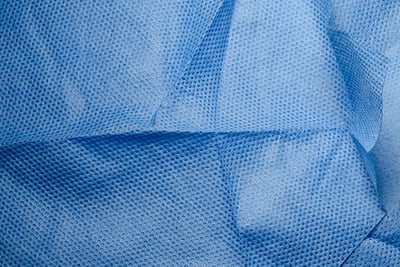
Non-woven fabrics are widely used in disposable drapes, imaging covers, and protective barriers.
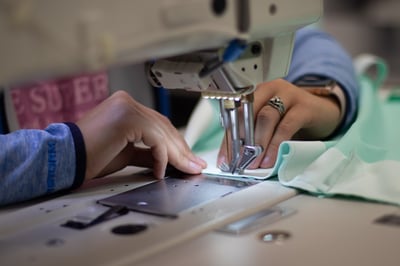
Sewing is commonly used for straps, reinforced accessories, and structural textile assemblies.
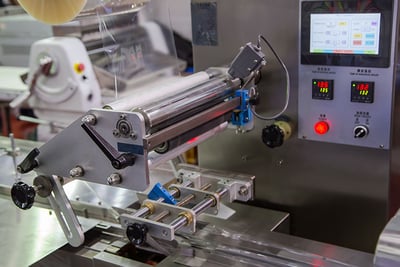
Heat sealing is widely used for imaging covers, OR barriers, and disposable products.
Ultrasonic bonding is ideal for lightweight fabrics and disposable medical products.
RF welding is used in fluid-management components and protective covers requiring airtight seals
Choosing the Right Material and Bonding Method
Films and fabrics are foundational to many medical devices used in diagnostic imaging and operating room settings. By carefully aligning material selection with appropriate bonding methods, manufacturers can ensure reliable performance, effective infection control, and long-term durability in demanding clinical environments.
Learn more about our contract manufacturing capabilities today!

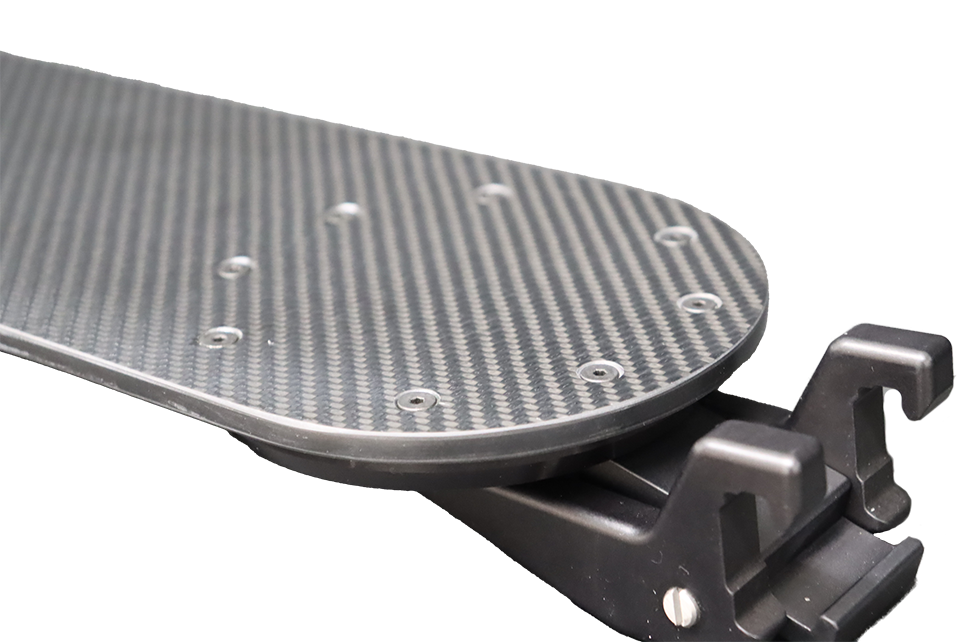
Discover how carbon fiber revolutionizes medical devices with its strength, lightweight properties, and versatility.
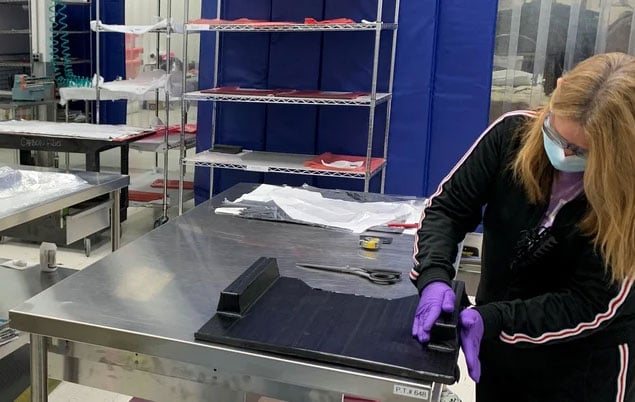
Discover how carbon fiber manufacturing helps medical device OEMs achieve lightweight strength, durability, and improved imaging performance while...

Discover the revolutionary role of carbon fiber in healthcare, from enhancing imaging equipment to improving prosthetics and medical implants.