
1 min read
Foam Materials Used in Medical Device Patient Positioning Products
Patient positioning products play a critical role in modern healthcare. From diagnostic imaging and radiation therapy to surgery and long-term care,...
3 min read
Single-use medical devices play a critical role in infection prevention, procedural efficiency, and patient safety. Products such as patient drapes, disposable patient positioning aids and kits, and equipment covers must perform reliably while remaining compatible with validated sterilization methods.
Three material families dominate these applications: polyethylene (PE), polyurethane (PU), and medical nonwovens.
Each brings unique advantages, and they are frequently used alone or in combination to meet clinical, regulatory, and manufacturing requirements.
This article explores how these materials support sterilized, single-use medical device designs and where each excels.
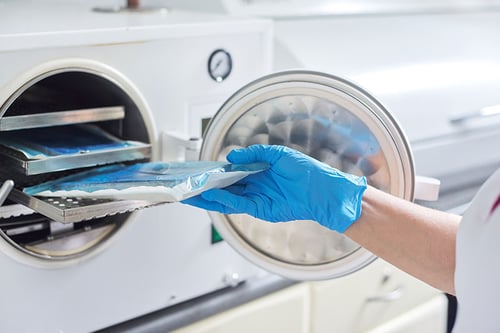 Sterilization Requirements for Single-Use Medical Devices
Single-use products are commonly sterilized in their final packaging and discarded after one procedure. As a result, materials must withstand sterilization without compromising safety or performance.
Key requirements include:
Compatibility with ethylene oxide (EtO), gamma, or e-beam sterilization
Maintenance of mechanical properties and dimensional stability
Preservation of fluid, bacterial, and particulate barrier performance
No harmful residues, discoloration, or embrittlement
Consistent performance across validated shelf life
PE, PU, and nonwoven materials have long histories of meeting these requirements when properly selected and validated.
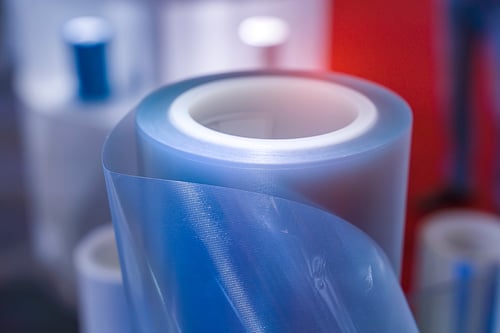
Common Medical PE Types
LDPE (Low-Density Polyethylene)
LLDPE (Linear Low-Density Polyethylene)
HDPE (High-Density Polyethylene)
PE is widely used in disposable medical products due to its balance of fluid resistance, flexibility, and cost efficiency.
PE is well suited for:
Ethylene Oxide (EtO)
Gamma Radiation (with stabilized grades)
E-beam Radiation
Steam sterilization is generally avoided due to PE’s low heat resistance, but this is rarely a limitation for single-use devices.
Typical PE Applications
Disposable patient drapes
Imaging and OR equipment covers
Fluid-impervious layers in procedure kits
Films laminated to nonwovens or foams
Excellent moisture and fluid barrier
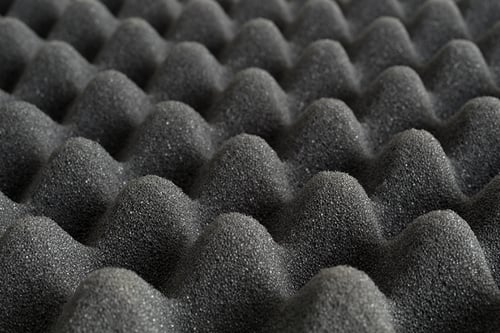 Polyurethane (PU): Comfort, Elasticity, and Performance
Polyurethane is commonly selected when softness, conformability, and mechanical recovery are important.
PU Forms Used in Disposable Devices
Thermoplastic PU (TPU) films
Medical-grade PU materials are compatible with:
Ethylene Oxide (EtO)
PU often maintains elasticity and tactile performance better than PE post-sterilization.
Disposable patient positioning pads and supports
Soft interface components within custom kits
Drapes or covers requiring stretch and contouring
Reinforced zones in surgical drapes
Superior softness and patient comfort
High tear and abrasion resistance
Excellent bonding, welding, and lamination
Available in breathable and non-breathable formats
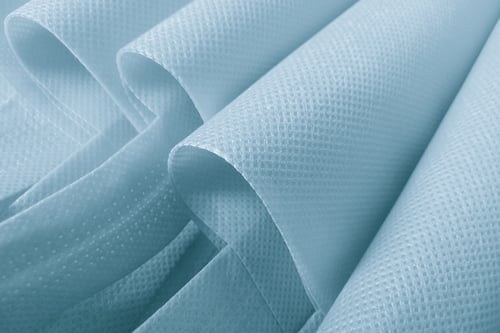
Nonwoven fabrics are a cornerstone of single-use healthcare products, offering breathability, softness, and cost-efficient scalability.
Common Nonwoven Types
Spunbond Polypropylene (PP)
Meltblown PP
SMS (Spunbond–Meltblown–Spunbond) composites
Spunlace (Hydroentangled) nonwovens
These structures can be engineered for strength, absorbency, or barrier performance depending on fiber type and construction.
Medical nonwovens are commonly compatible with:
Ethylene Oxide (EtO)
Gamma Radiation
E-beam Radiation
Performance depends on basis weight, fiber chemistry, and bonding method.
Surgical and procedural drapes
Disposable covers and wraps
Absorbent layers in patient kits
Soft contact layers in disposable positioning products
Reinforcement substrates for PE or PU laminates
Breathable and comfortable
Excellent for fluid management and absorption
Lightweight and economical
Easily combined with films, foams, and coatings
Many single-use medical products rely on multi-layer constructions to balance comfort, protection, and sterility.
Common examples include:
Nonwoven + PE film laminates for fluid-impervious drapes
PU foam cores wrapped with PU or PE films for positioning aids
These structures can be engineered for strength, absorbency, or barrier performance depending on fiber type and construction.
| Application Need | Best Material Fit |
| Fluid barrier protection | PE |
| Breathability and comfort | Nonwoven |
| Soft tissue interface | PU |
| Low-cost disposable drapes | Nonwoven + PE |
| Disposable patient positioning | PU foam + film |
| Equipment and imaging covers | PE or PE-laminated nonwoven |
When designing sterile, single-use products using PE, PU, and nonwovens, manufacturers should evaluate:
Additives, stabilizers, and colorants
Lamination adhesives and bonding methods
Packaging and sterile barrier compatibility
Post-sterilization aging and shelf-life performance
Regulatory documentation and biocompatibility
Early material and process collaboration reduces validation risk and speeds time to market.
From patient drapes and disposable positioning products to procedure kits and equipment covers, PE, PU, and nonwoven materials remain at the heart of sterile, single-use medical devices. Their versatility—individually and in combination—enables manufacturers to meet evolving demands for safety, performance, and efficiency.
The right material choice starts with understanding the application, the sterilization method, and the clinical environment.
Click and option below to learn more!


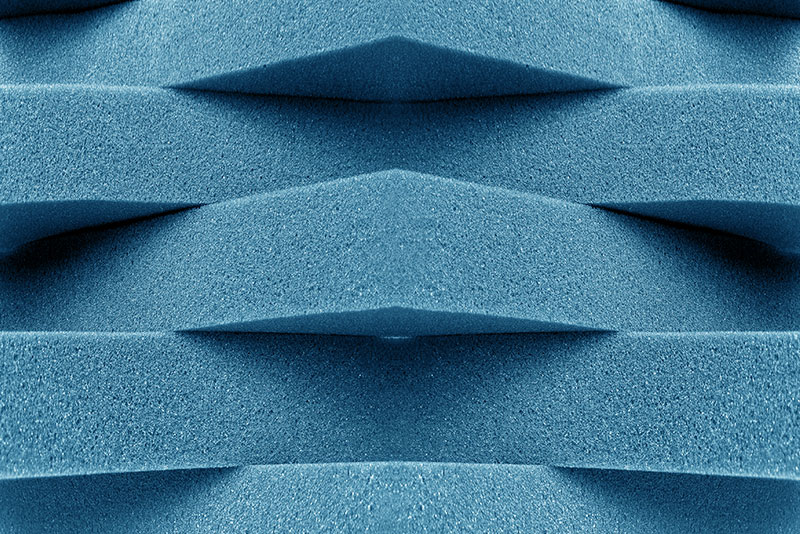
1 min read
Patient positioning products play a critical role in modern healthcare. From diagnostic imaging and radiation therapy to surgery and long-term care,...
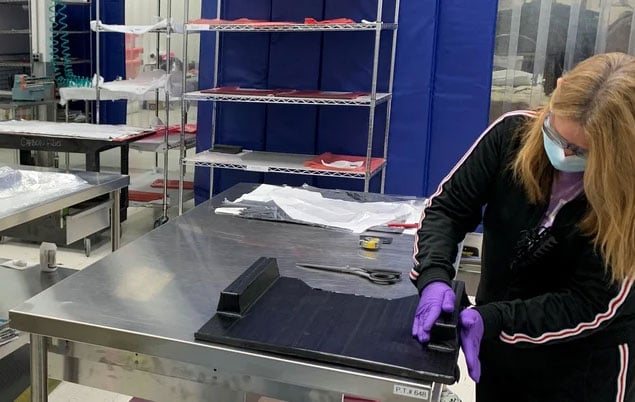
1 min read
As medical devices continue to evolve toward lighter, stronger, and more imaging-compatible designs, carbon fiber composites have become a strategic...
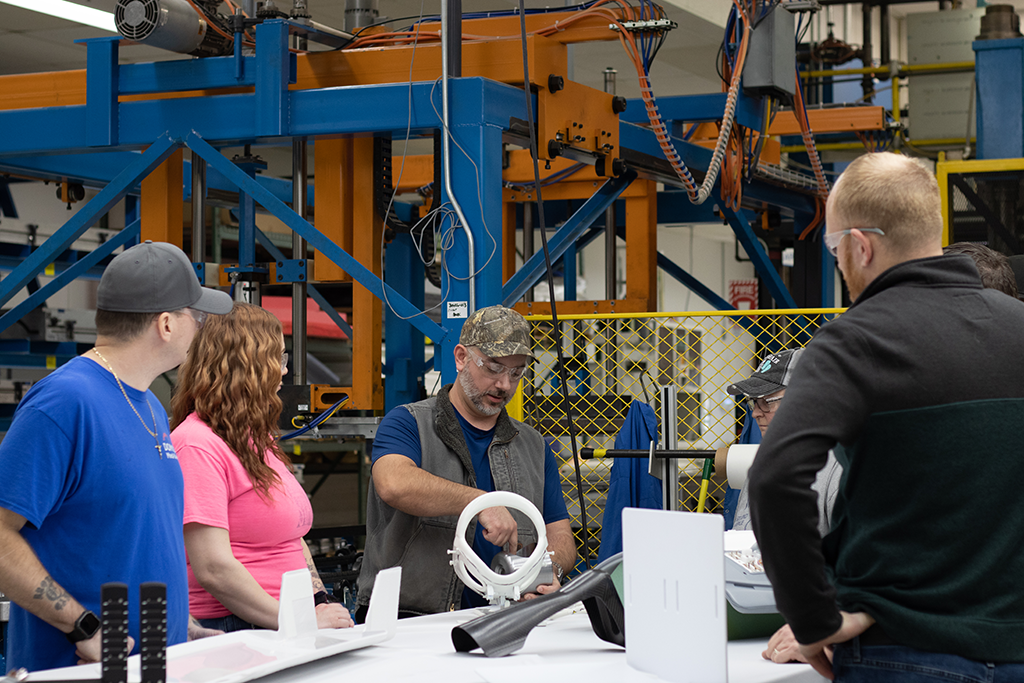
1 min read
In medical device manufacturing, efficiency isn’t just about saving time—it’s about ensuring patient safety and meeting strict quality standards....